There is a saying, “favor is the currency of God.” If favor were the result of fate or destiny then due to the impersonality of fate or destiny, favor becomes meaningless. If favor were the outcome of a game or even good deeds, then favor would be a wage. Favor is the “currency” of God, a blessing.
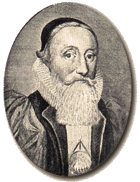
The life of Sir John Davies (1569 - 1626), the English Renaissance lawyer and parliamentarian under Queen Elizabeth (and late contemporary of Sir Philip Sidney) is a wonderful illustration of one who received this blessing of favor.
Davies wrote and published in 1599 a book called
Nosce Te Ipsum, or “Know Thyself.” When Davies was presented to King James (yes, the same King James of the 1611 Bible) Davies was already a favorite of Queen Elizabeth. When King James inquired if the man before him was the author of the
Nosce Te Ipsum, the King "embraced him and conceived a considerable liking for him." Davies was later appointed to be Solicitor General for Ireland when he was knighted in 1603, became Speaker to the Irish House of Commons (1613 -1615) and then Attorney General to Ireland. [1] King James really liked this collection of poems, and God blessed Davies with a way to bring glory to Himself through his position!
What was in Davies writing to receive such adulation from the British nobility? Below is a sample from Davies’ king-embracing work. This particular poem describes the intellectual power of the soul:
"But now I haue a will, yet want a wit
To expresse the working of the wit and will
Which though their root be to the body knit
Use not the body when they vse their skill
powers the nature of the Soule declare
For to man's soule these onely proper bee
For on the Earth no other wights there are
That haue these heauenly powers but only we."
(excerpt from a previous post, 5/2010>