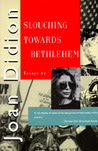
Research can be much like navigating fun-house maze: there's a surprise around every corner. This was a fun discovery (annotated):
Ainslie, Scott. 2001. "Emperor Marcus Aurelius and The History of Opiate Addiction." Proceedings of the 10th Annual History of Medicine Days. WA Whitelaw: 21-25. http://www.magicgatebg.com/Books/History%20of%20Medicine%20Days.pdf#page=33The presenter of this case, inspired by the 1961 article “The Opium Addiction of Marcus Aurelius” by T.W. Africa, suggests that the personal writings of Marcus Aurelius are nothing more than the rantings of a drug addict. Ainslie writes, “In an attempt to determine the likelihood and the severity of opium dependency, it is convenient for us to compare statements within ‘Meditations’ to pieces written by more recent addicts.” (23) The writer admits to making an “attempt to gather circumstantial evidence surrounding the proposed vice” (21) with the view to uncouple “Meditations” from Stoic philosophy and suggest that the Emperor merely produced a volume of “opium-inspired concepts” (24).