How to Succeed in Life and Live to Tell (Music by Ray Charles)
- Get link
- X
- Other Apps
Genesis 28:
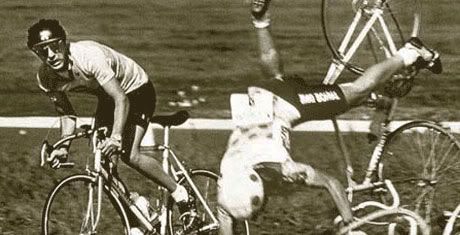
Esau is brewing like a distant thunderstorm and Jacob is on the run. Jacob did not have seeking God high on his “to do” list, but like a stick in his spokes, God appeared to Jacob in the famed dream of the ladder, causing a much-needed shift in the direction Jacob was heading.
Jacob had been true to his name: plotting with his mother, lying to his father, stealing from his brother. He was hardly a candidate for “men God uses” material. If you looked up “lying, crying, spying ultra-pig” in the Dictionary of Name-calling you would probably find his picture there. God could have abandoned Jacob and left him to cook in his own stew, but there were reasons this did not happen. Not only did God break in at a time when it was least expected, but God came to Joseph when he did not deserve it.
I have not mentioned it much, but the principle is loud and clear. Here is a demonstration of God’s grace. Jacob was the mostly unlikely person for the experience he had that night and God met him at the most unlikely time in the most unlikely place. This is grace. Interestingly, it would take almost 30 more years to live like a person who had met God . . . this, too, is grace.
I wonder:
What kind of assurances did Jacob have?
What was the focus of confidence?
Was he a manipulator of people and circumstance?
What were his goals and what was he willing to do to see this to fruition?
Did he even know how to take care of himself and defend himself?
How did he handle change?
Jacob was made to discover that God was with him and the time for feeling alone and afraid was over. In his not-so-distance past people tried to make a name for themselves and build a tower whose top would reach to the heavens, now God is making His name known to Jacob and showed him his ladder already anchored there. God is bridging the gap.
Jacob was also made to discover the rich truth of reconciliation, first to God then to his family. God is patient with Jacob. This is grace.
Is it unusual that Jacob heard the voice of God? I don’t think so. We are getting used to that idea since we began our study in Genesis 1. And God did not whip him—He said, “I am with you and will keep you wherever you go” (28:15).
Jacob thought he was a dead man, but instead in learning to respond to God’s glory, found life. Jacob was at a dead end. I am not certain he knew what the future would be like if he continued to run—probably just like the present, only longer.
Genesis 29:
If Ray Charles had not written it, I’m sure Laban would have heard something like this for about 7 years around his house:

I GOT A WOMAN way over town,
She's good to me, Oh yeah!
Well, I GOT A WOMAN way over town,
She's good to me, Oh yeah!
Now she's my dreamboat, oh, yes indeed,
She's just the kind of girl I need,
I found a woman way over town,
She's good to me Oh Yeah!
I save my kisses and all my huggin'
Just for her, Oh, yeah!
I save my kisses and all my huggin'
Just for her, Oh yeah!
When I say baby please take my hand
She holds me tight, She's my lover girl
I found a woman way over town,
She's good to me Oh yeah!
She always answers my beck and call,
Ever lovin' mama Mama tree top tall.
I feel so proud walkin' by her side,
Couldn't get a better girl,
No matter how hard I tried.
I GOT A WOMAN way over town,
She's good to me, Oh yeah!
Someday we'll marry, way over town,
She's good to me, Oh yeah!
Someday we'll marry, don't you understand'
Cause she's my only lover girl
I found a woman way over town,
She's good to me Oh yeah!
Genesis 30
"How true are those sayings, Envy is as rottenness of the bones! and, Jealousy is as cruel as the grave!" from Adam Clarke's (1760-1832) Commentary on the Bible.
Esau is brewing like a distant thunderstorm and Jacob is on the run. Jacob did not have seeking God high on his “to do” list, but like a stick in his spokes, God appeared to Jacob in the famed dream of the ladder, causing a much-needed shift in the direction Jacob was heading.

Jacob had been true to his name: plotting with his mother, lying to his father, stealing from his brother. He was hardly a candidate for “men God uses” material. If you looked up “lying, crying, spying ultra-pig” in the Dictionary of Name-calling you would probably find his picture there. God could have abandoned Jacob and left him to cook in his own stew, but there were reasons this did not happen. Not only did God break in at a time when it was least expected, but God came to Joseph when he did not deserve it.
I have not mentioned it much, but the principle is loud and clear. Here is a demonstration of God’s grace. Jacob was the mostly unlikely person for the experience he had that night and God met him at the most unlikely time in the most unlikely place. This is grace. Interestingly, it would take almost 30 more years to live like a person who had met God . . . this, too, is grace.
I wonder:
What kind of assurances did Jacob have?
What was the focus of confidence?
Was he a manipulator of people and circumstance?
What were his goals and what was he willing to do to see this to fruition?
Did he even know how to take care of himself and defend himself?
How did he handle change?
Jacob was made to discover that God was with him and the time for feeling alone and afraid was over. In his not-so-distance past people tried to make a name for themselves and build a tower whose top would reach to the heavens, now God is making His name known to Jacob and showed him his ladder already anchored there. God is bridging the gap.
Jacob was also made to discover the rich truth of reconciliation, first to God then to his family. God is patient with Jacob. This is grace.
Is it unusual that Jacob heard the voice of God? I don’t think so. We are getting used to that idea since we began our study in Genesis 1. And God did not whip him—He said, “I am with you and will keep you wherever you go” (28:15).
Jacob thought he was a dead man, but instead in learning to respond to God’s glory, found life. Jacob was at a dead end. I am not certain he knew what the future would be like if he continued to run—probably just like the present, only longer.
Genesis 29:
If Ray Charles had not written it, I’m sure Laban would have heard something like this for about 7 years around his house:

I GOT A WOMAN way over town,
She's good to me, Oh yeah!
Well, I GOT A WOMAN way over town,
She's good to me, Oh yeah!
Now she's my dreamboat, oh, yes indeed,
She's just the kind of girl I need,
I found a woman way over town,
She's good to me Oh Yeah!
I save my kisses and all my huggin'
Just for her, Oh, yeah!
I save my kisses and all my huggin'
Just for her, Oh yeah!
When I say baby please take my hand
She holds me tight, She's my lover girl
I found a woman way over town,
She's good to me Oh yeah!
She always answers my beck and call,
Ever lovin' mama Mama tree top tall.
I feel so proud walkin' by her side,
Couldn't get a better girl,
No matter how hard I tried.
I GOT A WOMAN way over town,
She's good to me, Oh yeah!
Someday we'll marry, way over town,
She's good to me, Oh yeah!
Someday we'll marry, don't you understand'
Cause she's my only lover girl
I found a woman way over town,
She's good to me Oh yeah!
Genesis 30
"How true are those sayings, Envy is as rottenness of the bones! and, Jealousy is as cruel as the grave!" from Adam Clarke's (1760-1832) Commentary on the Bible.

- Get link
- X
- Other Apps
Popular posts from this blog
"On Keeping A Notebook" by Joan Didion
I'm nearly finished reading Joan Didion's collection of essays, Slouching Towards Bethlehem. The book was discovered through another book I was reading, Jon Krakauer's Eiger Dreams . If Jon felt this book was good enough to pack along on a mountain climbing expedition, then I'm interested. Took me three tries, but I finally found my copy on Amazon. One of the best book buys I've made. Joan selected the title of this book from William Butler Yeats' classic poem, Second Coming . The book title is shared with one of her larger essays, a record of encounters with people in the 1960's drug culture. Didion's book is divided into three distinct parts: "Life Styles In The Golden Land," a collection of articles capturing the California experience of the 1960's; "Personals," a few of essays of the first-hand nature; and "Seven Places Of The Mind", some thoughts about those parts of California that are now long gone. One essay...
I’ll Be Gnome For Christmas
“And so, about this tomb of mine . . . “
“VANITY, saith the preacher, vanity! Draw round my bed: is Anselm keeping back? Nephews—sons mine … ah God, I know not! Well— She, men would have to be your mother once, Old Gandolf envied me, so fair she was! What’s done is done, and she is dead beside, Dead long ago, and I am Bishop since, And as she died so must we die ourselves, And thence ye may perceive the world’s a dream. Life, how and what is it? As here I lie In this state-chamber, dying by degrees, Hours and long hours in the dead night, I ask “Do I live, am I dead?” Peace, peace seems all. Saint Praxed’s ever was the church for peace; And so, about this tomb of mine. I fought With tooth and nail to save my niche, ye know: —Old Gandolf cozened me, despite my care; Shrewd was that snatch from out the corner South He graced his carrion with, God curse the same! Yet still my niche is not so cramped...